The short version
Same promise, very different delivery
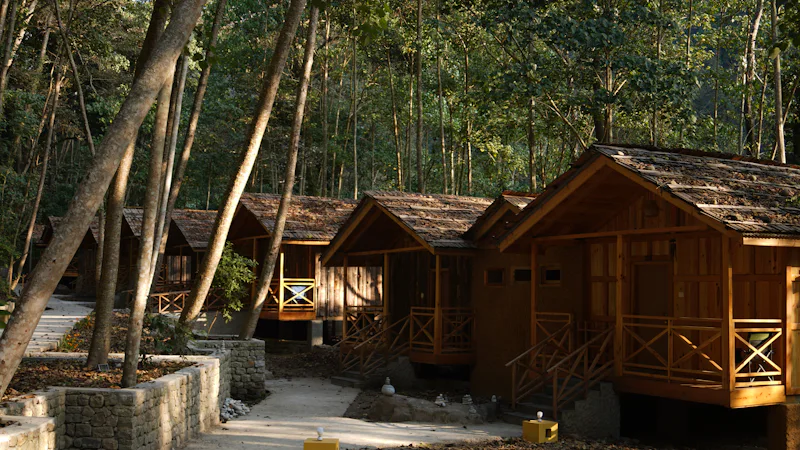
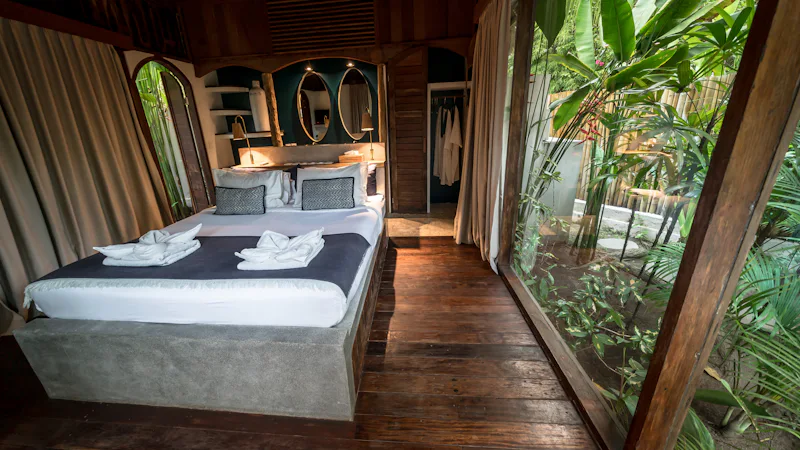
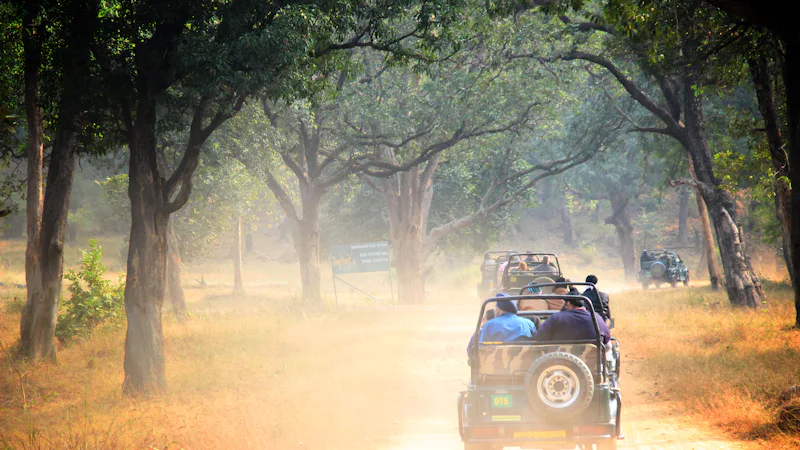
Jungle safari arrangement is the default add-on across Corbett's hotel market. A small guesthouse on the Kaladhungi road and a large lodge in the Dhikuli belt will both tell you they can organise it, and both are telling the truth. The difference shows up in the details: who actually files the permit, how early they file it, what vehicle turns up, whether the guide knows the zone, and what happens when something changes.
At the budget end, the hotel is usually acting as an introducer. They pass your names to a local operator and take a small margin. This works perfectly well on quiet dates and less well on a long weekend, when the operator is allocating scarce permits and you are not the priority booking. The saving is real; so is the variance.
In the mid-range, most properties have a standing relationship with one or two jeep operators and handle the paperwork themselves. This is the sweet spot for the majority of travellers: reliable enough to trust, cheap enough not to resent, and staffed by people who understand that a guest who misses reporting has lost their morning.
At the premium end you are buying the whole chain: the property files the permit, owns or contracts the vehicles, briefs a naturalist rather than a driver, and is accountable if any of it fails. Whether that is worth the difference depends on how much a failed morning would cost you emotionally, not just financially.
The five questions that separate the tiers
Who files the permit, and when? A property that files as soon as the window opens is a different proposition from one that calls an operator the night before.
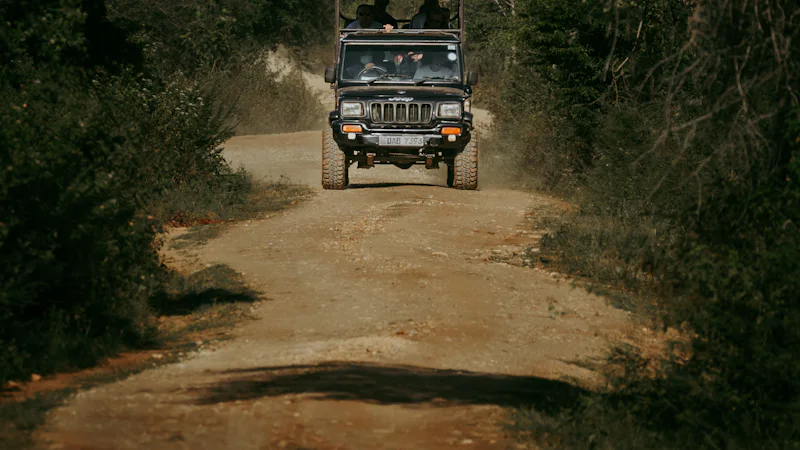
Whose vehicle is it? A hotel with a regular fleet relationship can tell you the vehicle condition and the driver. One sourcing on the day cannot.
Naturalist or driver-guide? Corbett assigns an authorised guide, but hotels differ in whether they also send someone who knows the animals. On a quiet drive this is the difference between three hours of looking and three hours of learning.
What is the reporting-day routine? Tea before departure, a held breakfast on return, and a packed snack for a long shift are small things that signal whether safari guests are core business or an inconvenience.
What is the written fallback? Zone unavailable, weather closure, vehicle failure — ask what happens, and get the answer before you pay rather than after.