
Ramnagar-based team
Ground-level advice on gates, stays, and travel timings.
Safari permits, stays, taxis, and itinerary support in one place.
Quick responses for availability checks and travel questions.
Clear guidance without claiming to be the official government portal.
Naturalist • Hunter • Conservationist • Author
Edward James Corbett, popularly known as Jim Corbett, was more than just a hunter. He was a guardian of the hills, a man whose deep connection with nature turned him from a tracker of man-eaters into India's most celebrated conservationist.
Born in Nainital, Kumaon. Spent his early years learning the secrets of the forest from local hunters and naturalists.
Eliminated dozens of man-eating tigers and leopards, including the Champawat Tiger and the Leopard of Rudraprayag, saving thousands of lives.
Published Man-Eaters of Kumaon, which became an international bestseller and brought global attention to India's wildlife.
Passed away in Kenya. In 1957, India's first national park was renamed in his honor: Jim Corbett National Park.
"The tiger is a large-hearted gentleman with boundless courage and when he is exterminated... India will be the poorer by having lost the finest of her fauna." — Jim Corbett, 1944
Corbett's writing captured the raw tension of the jungle and the simple dignity of the hill people. His books remain the definitive records of North India's wilderness.
His most famous work, documenting 10 legendary tiger hunts.
A poignant tribute to the brave and simple people of the Himalayas.
Deep reflections on tracking and the philosophy of the forest.
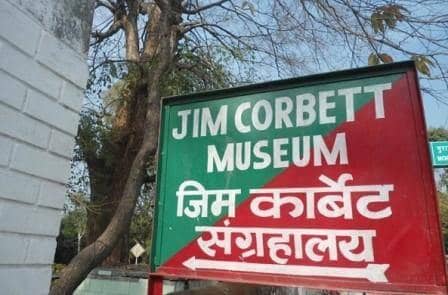
Located in his winter home at Kaladhungi, the museum offers a glimpse into his personal life, his hunting gear, and his deep affection for the Kumaon region. It is a must-visit for every wildlife enthusiast.
Book Taxi to Museum
Planning Support
Move from research to action with linked booking pages, transport help, and service pages that match the intent behind this visit.
Tie guide content back to safari booking, zone selection, and practical travel coordination.
Open related pageTrip-planning pages work better together when weather, route, and reporting times are considered side by side.
Open related pageUse a real planning conversation when you want help stitching together safari, stay, and taxi decisions.
Open related pageFAQ
These answers are designed to support intent-driven search queries and help visitors move faster toward the right next step.
Treat it as research support, then move to safari, stay, or taxi pages once you are ready to compare dates and practical options.
Yes. The next step is usually a quick conversation about dates, group size, safari format, and any transfer or stay requirements.
Most travellers continue to the main safari booking page, zone comparison guide, taxi page, or a package page depending on what is still unresolved.
Related Pages
Use descriptive internal links to move between safari booking, transport, guide, and stay pages without having to return to the homepage.
Ready to plan?
The strongest next step is usually a booking, transport, or package page that matches the question this guide helped solve.